

In the smoky clubs and dance halls of 1930s Paris, innovative styles emerged from music in diaspora—flourishing in the lively atmosphere of post-war exuberance, where jazz music was on the rise. One of the most lasting styles today remains jazz manouche (often referred to as sinti jazz, gypsy jazz, or hot-club-style jazz because of its origins in the French Hot Clubs and roots in Roma and Sinti traditions). The Roma are an Indo-Aryan ethnic group who traditionally lived a nomadic, itinerant lifestyle, arriving in Europe around the 13th to 14th century, concentrated especially in central and eastern Europe and southern France. The infectious and undeniably danceable style—characterized by vibrant melodies of Romani music fused with the sophisticated harmonies and bouncy rhythms of swing jazz—began with the nomadic Roma guitarists in Belgium and France in the late 1920s.
Most iconic of these musicians were Romani jazz guitarist Jean “Django” Reinhardt (1910–1953) and French jazz violinist Stéphane Grappelli (1908–1997), with their group the Quintette du Hot Club de France. The unique styles of jazz manouche originated from their musical collaboration and sharing of different musical languages, with each instrumentalist contributing impressive technique, masterful improvisation, and cultural influences in a distinct orchestration: performed by a lead guitar, violin, string bass, and not one but two rhythm guitars in an acoustic all-string band.
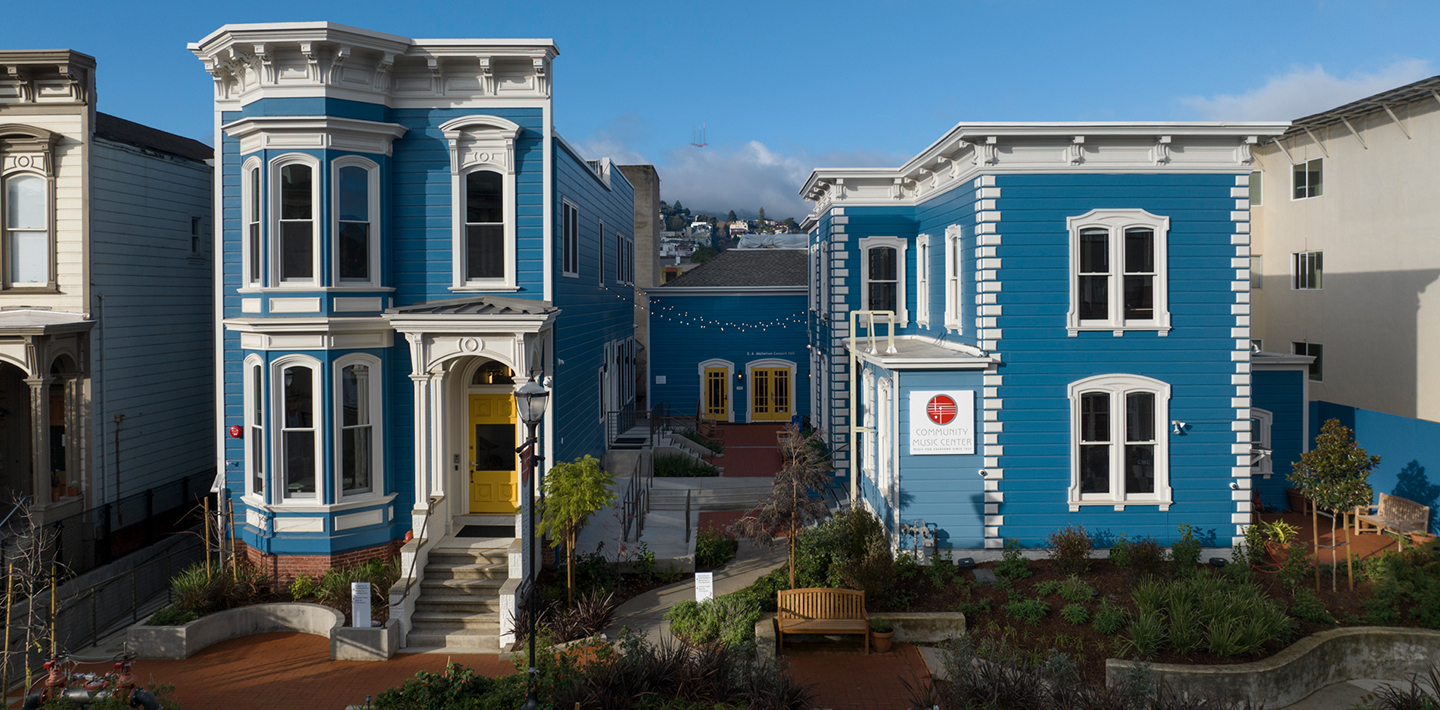
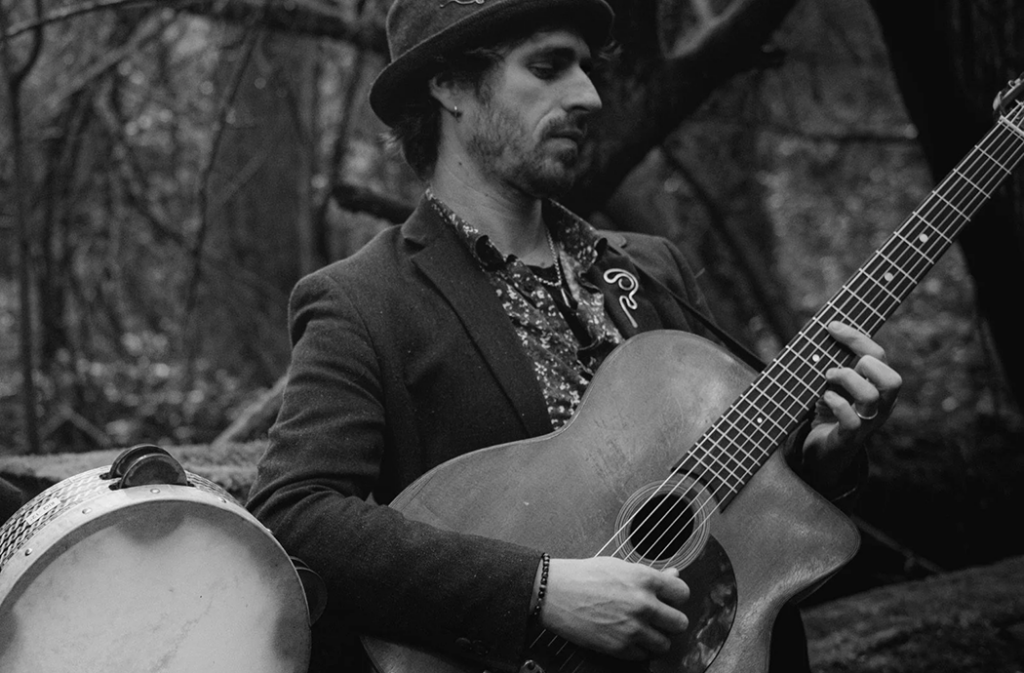
This quarter, CMC excitedly offered a new Jazz Manouche Ensemble, led by guitar faculty Javi Jiménez. As Musical Director of the touring ensemble Barrio Manouche, Javi has honed his craft through the manouche style. We asked Javi about what drew him to jazz manouche, and what students in the ensemble can expect to learn in the class.
How did you first discover the manouche style? What about it inspired your guitar playing?
“A French friend recommended that I listen to Django and the Jazz Manouche style while I was in France. I got to see some people playing the style. I couldn’t believe that the music I was listening to while hearing Django’s recording was played by a guitar player with only two movable fingers.”
What can musicians learn from the style that might be unique from other styles of jazz or folk music?
“It’s a form of acoustic jazz, where there was no drummer in its original formation. The guitar takes the role of playing rhythm and supporting the soloist and also playing the melody and improvising.”
What does creative collaboration look like in this style?
“It’s interesting to experience the fact that sometimes you will be the supporting piece and sometimes you will lead the way, and cooperate with your fellow players. Also it is fun to make your own arrangements and take pieces from other styles.”
How do you bring your professional playing experience into the classroom?
“I teach the students not only the language, rhythms and different styles of music, but how to approach improvising and presenting a song and arrange it in various standard ways within the style.”
Interested in joining Javi on a discovery of lively rhythms, unique harmonies and melodies, and strengthen your skills as an improviser, band member, or arranger? Join the Jazz Manouche Ensemble! Open to intermediate and advanced guitar, bass, violin, accordion, winds (flute, clarinet, saxophone), and brass (trumpet, trombone) players.
Spring Quarter registration opens March 23! Learn more and enroll here.